
The best way to predict the future is to create it, and in the words of Operations Director at Melrose Arch, Reiner Henschel: “We are resolute in continually integrating sustainability into our operations, ensuring that the precinct maintains its position as a leader in environmental responsibility in South Africa.”
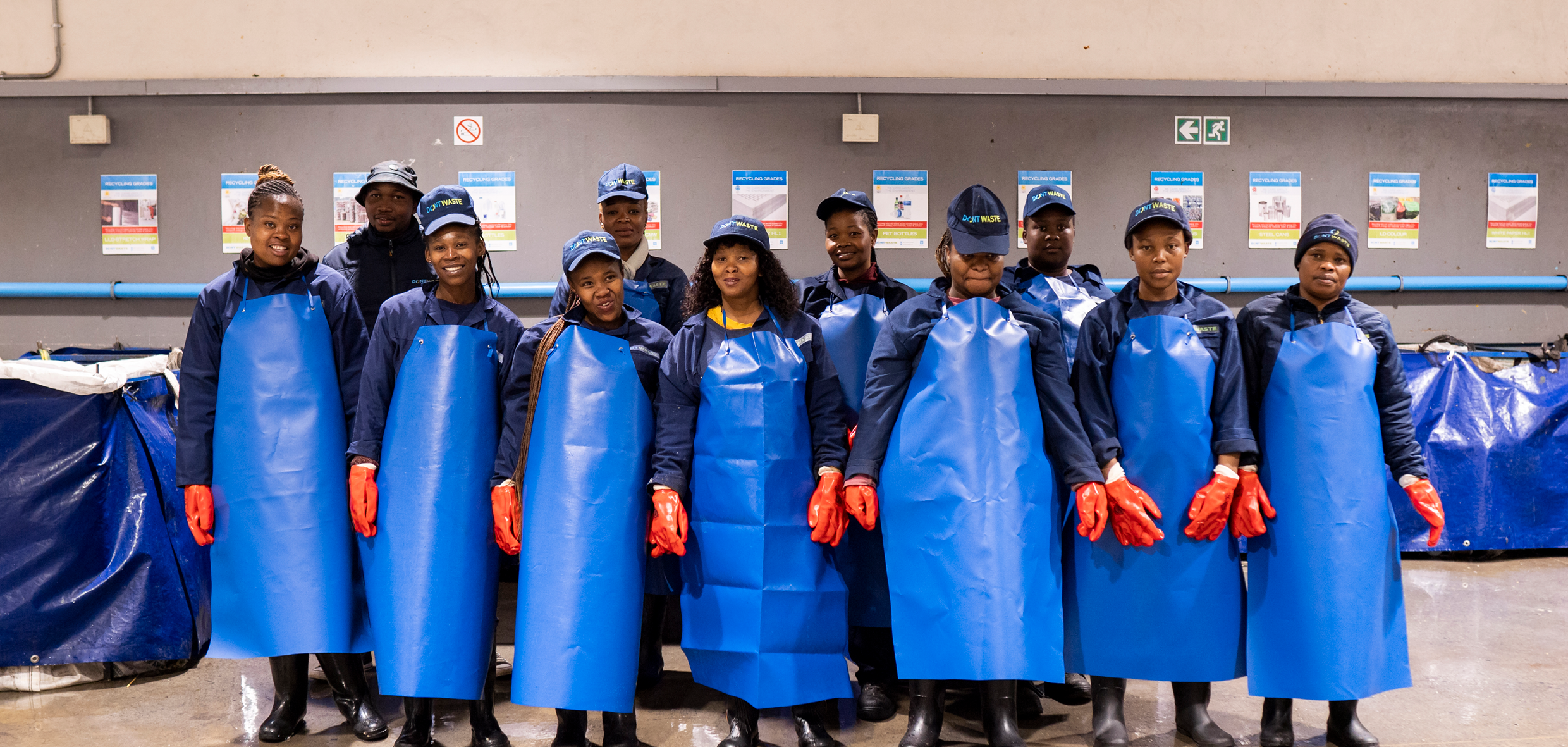
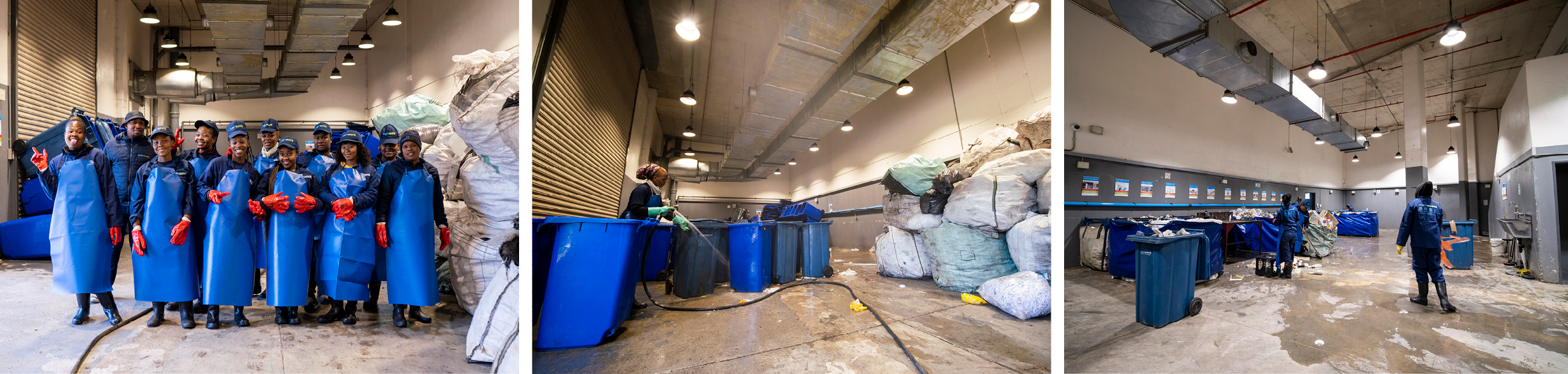
Melrose Arch’s waste-separating facility operates 24/7 separating paper, cardboard, metals, plastics and glass, and through collective efforts by tenants, residents and visitors, Melrose Arch is able to recycle the majority of waste created in the precinct. We don’t have to engage in heroic actions to participate in change. Small acts, when multiplied by millions of people, can transform the world; and in February 2024, of the 92.578 tons of waste collected across the precinct, 88% was recycled.
An exciting initiative that is paving the way for sustainABLE progress in the precinct is the wet waste recycling program. When it comes to SustainABLE dining, Melrose Arch has introduced a comprehensive wet waste recycling program for the 30 restaurants across the precinct, which aims to address the pressing issue of food waste and added waste to landfill, by promoting environmental responsibility and sustainABLE practices.
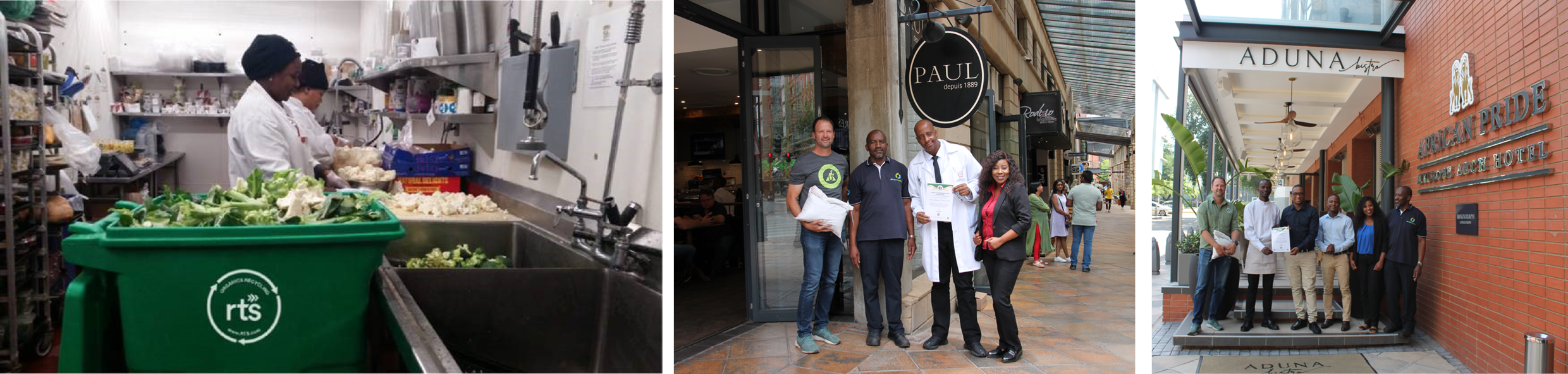
Partnering with Urban Farms and Don’t Waste to implement efficient waste separation methods and commitment, the precinct allows each restaurant to divert food waste from traditional waste streams. By separating wet waste at the source, restaurants can ensure proper recycling and processing, transforming it into valuable resources such as compost.
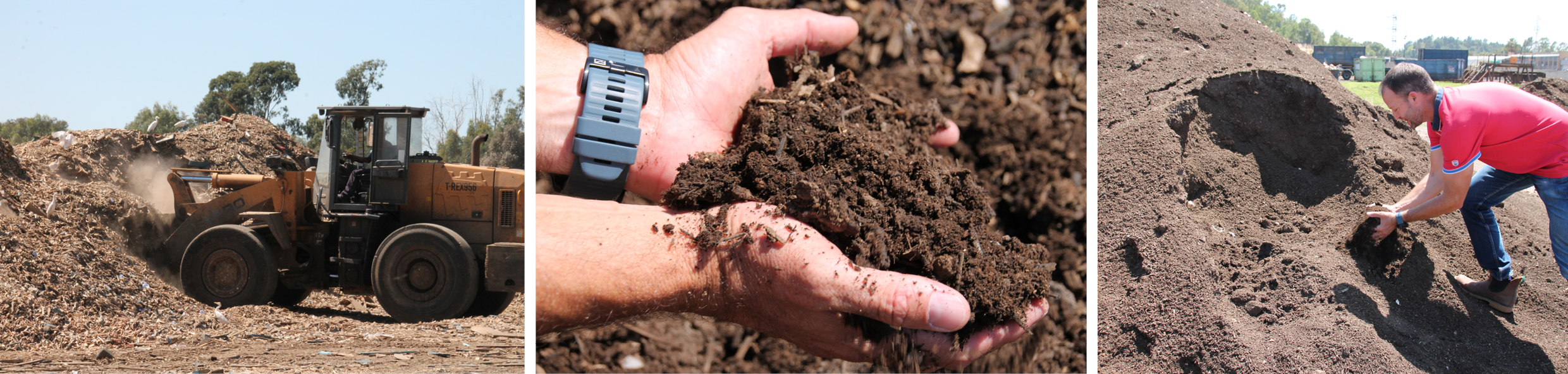
Through this program, from collection to compost creation, as well as the efforts of the eco-centre and waste separating facility, this not only reduces the precinct’s environmental impact, but also inspires other businesses in the industry to take action and creates employment opportunities. Given the current economic climate, job creation and skills development should be prioritised, and through this kind of sustainABLE development, Melrose Arch is meeting the needs of the present without compromising the ability of future generations to meet their own needs.